Which is Better for Monitoring Your Heart Rate?
Choosing the right tool to track your ticker is a decision that used to be easy—you just strapped a plastic puck to your wrist and called it a day. But lately, my desk has been cluttered with tiny titanium circles and oversized glass slabs. I’ve spent the last few years living with both, switching between them depending on whether I was hiking a trail or trying to figure out why I woke up feeling like a zombie.
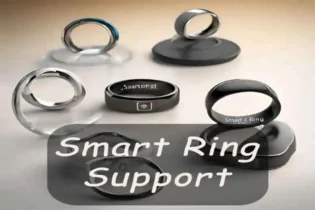
If you’re trying to decide between a Smart Ring or Smartwatch for heart rate monitoring, you aren’t just choosing a gadget; you’re choosing a lifestyle. One is a quiet observer that lives on your finger, while the other is a loud, capable assistant on your wrist. Both have their quirks, and after wearing almost every major model on the market, I’ve realized that “best” is entirely subjective.
The Wrist vs. The Finger: Where the Data Lives
From an insider’s perspective, the battle between these two form factors comes down to how they see your blood. Both use Photoplethysmography (PPG)—those little flashing green or red lights you see on the underside of the device. When you evaluate a Smart Ring or Smartwatch, you have to look at the anatomy of the limb it sits on.
In my experience, smartwatches often struggle with what we call motion artifacts. If you’ve ever been on a rowing machine and noticed your Apple Watch or Garmin suddenly says your heart rate is 60 bpm while you’re gasping for air, you’ve seen this in action. The watch shifts on your wrist, light leaks in, and the sensor loses the rhythm. This is a common frustration when comparing a Smart Ring or Smartwatch during high-intensity interval training.
Smart rings, like the Oura or the Samsung Galaxy Ring, have a distinct anatomical advantage. The skin on the underside of your finger is thinner than the skin on your wrist, and the capillaries are closer to the surface. Plus, a ring stays snug. When I wore the Oura Ring 4 alongside a flagship smartwatch during a sleep study, the ring’s heart rate data was consistently cleaner because it didn’t slide around when I rolled over at 3 AM. It’s these small details that matter when choosing a Smart Ring or Smartwatch for long-term health tracking.
Living with a Smartwatch: The All-in-One Powerhouse
If you’re an Android user, you’re likely looking at the Samsung Galaxy Watch or the Pixel Watch. iPhone users, of course, have the Apple Watch. Each has its place in the Smart Ring or Smartwatch ecosystem.
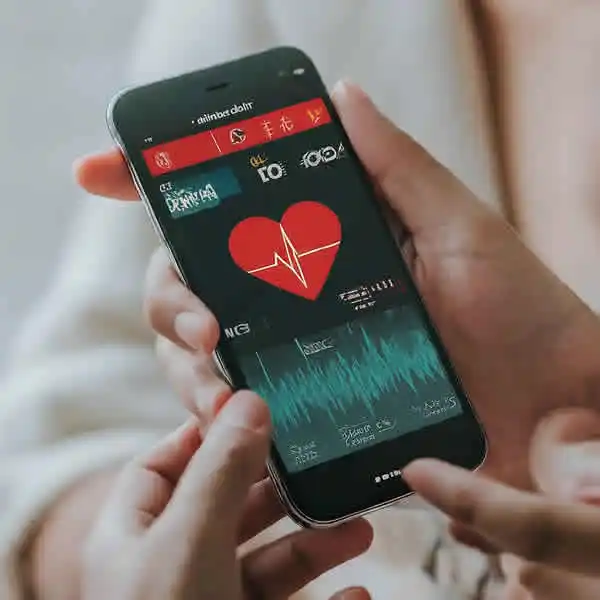
There is nothing quite like being halfway through a run and being able to glance down to see exactly what heart rate zone I’m in. When I’m pushing through a HIIT session, I need that real-time feedback. Smartwatches are also the kings of active monitoring. They can take an ECG (Electrocardiogram) on demand to check for irregular rhythms like Afib. I once had a scare after too much espresso where my watch helped me calm down by showing a perfectly normal sinus rhythm. If you value immediate interaction, the Smart Ring or Smartwatch choice becomes much clearer.
However, they are bulky. I’ve lost count of how many times I’ve accidentally whacked my watch against a doorframe or had it snag on a sweater sleeve. And let’s talk about the screen fatigue. Sometimes I just want to exist without my wrist buzzing because I got a promotional email. This is a major factor for people deciding on a Smart Ring or Smartwatch for daily wear.
The Stealthy Alternative: Why Rings are Gaining Ground
The first time I slipped on a RingConn, I forgot I was wearing it within twenty minutes. That is the magic of the ring form factor. When you look at a Smart Ring or Smartwatch, the ring offers a level of “set it and forget it” that the watch simply can’t match.
Most people don’t realize that smart rings are actually superior for long-term recovery tracking. Because they are so comfortable, you actually wear them 24/7. Most smartwatch users (myself included) eventually start taking the watch off at night because it’s clunky or needs to charge. If you don’t wear the device to bed, you lose the most important heart rate metric of all: Heart Rate Variability (HRV). If you are picking a Smart Ring or Smartwatch specifically for sleep, the ring wins nearly every time.
HRV is the secret sauce of the wearable industry. It’s the tiny variation in time between your heartbeats, and it’s the best indicator of whether your body is recovered or if you’re about to get sick. My Ultrahuman Ring Air once predicted a flu two days before I had a single symptom, simply because my resting heart rate spiked and my HRV plummeted overnight. This kind of predictive health is a huge selling point for a Smart Ring or Smartwatch.
Industry Secrets: What the Marketing Doesn’t Tell You
Working around these devices, you hear things the glossy brochures skip over. For instance, the LED colors matter. Most smartwatches use green LEDs for heart rate because they are cheaper and easier to implement, but green light doesn’t penetrate skin as deeply as the infrared light used in high-end rings. When comparing a Smart Ring or Smartwatch, ask yourself if the device uses infrared for its 24/7 monitoring.
Another insider tip involves the battery. In a Smart Ring or Smartwatch, the battery is the first thing to fail. Because ring batteries are so tiny, they undergo more charge cycles. I’ve seen rings lose significant capacity after 18 months, whereas a large watch might last three years. This longevity is a hidden cost in the Smart Ring or Smartwatch debate.
Furthermore, the data processing often happens in the cloud for rings, whereas watches do more on-device. This means if you are in a remote area without cell service, your Smart Ring or Smartwatch might behave very differently. The watch will still show you your heart rate, but the ring might not be able to “interpret” your readiness score until you get back to Wi-Fi.
The Practicality of Fitness Tracking
Let’s get real about the gym. I’ve tried lifting heavy with a Smart Ring or Smartwatch, and the results were mixed. A ring can actually be dangerous during pull-ups or heavy deadlifts—a phenomenon called “degloving” is a rare but horrific risk. I always take my ring off before hitting the bars. If your primary goal is weightlifting, your Smart Ring or Smartwatch choice should probably lean toward the watch, or at least a watch with a soft fabric strap.
On the flip side, for yoga or Pilates, a ring is much less intrusive. I’ve found that a bulky watch gets in the way of certain wrist-heavy poses. In these quiet moments, the Smart Ring or Smartwatch choice feels very personal. I prefer the ring because it doesn’t distract from the mindfulness aspect of the practice.
Breaking Down the Top Contenders
If you want the most seamless experience, stay in your lane. If you have an iPhone, the Apple Watch is the gold standard for heart rate accuracy. If you’re on Android, the Samsung Galaxy Ring is a marvel of engineering. I’ve found that Samsung’s integration with their health app is miles ahead of the third-party startups. It’s “set it and forget it” tech in the Smart Ring or Smartwatch world.
This is where the industry gets sticky. Oura is arguably the most accurate, but they charge a monthly fee to see your own data. As someone who has paid that $5.99 for years, it adds up. On the flip side, the Samsung Galaxy Ring and RingConn don’t have subscriptions. If you hate monthly bills, this is a massive factor in your Smart Ring or Smartwatch decision.
I’ve worn these things at the gym, in the shower, and while fixing my car. Watches are generally tougher because of Gorilla Glass and sapphire crystals. Rings, even the titanium ones, will scratch. My first Oura looked like it had been through a rock tumbler after six months of lifting weights. Pro tip: if you’re a heavy lifter, wear your ring on your non-dominant hand or take it off during pull-ups. This is the reality of owning a Smart Ring or Smartwatch.
The Android vs. iPhone Divide
Compatibility used to be a nightmare, but it’s getting better. However, it still dictates which Smart Ring or Smartwatch you can actually buy.
You have the most freedom. You can use almost any smart ring (Oura, Ultrahuman, RingConn, Samsung) and any watch except the Apple Watch. The Samsung ecosystem is particularly strong right now, especially with the way the Galaxy Ring and Galaxy Watch talk to each other to save battery. This synergy is a powerful argument for a Smart Ring or Smartwatch combo.
You are somewhat locked into the Apple Watch if you want a smartwatch, but the ring market is wide open. The Oura app on iOS is still the most polished health app I’ve ever used. It feels less like a spreadsheet and more like a wellness journal. When deciding on a Smart Ring or Smartwatch for an iPhone, I often tell people to start with the watch and add a ring later if they hate sleeping with the watch.
Deep Dive: Accuracy in Extreme Conditions
I once took a Smart Ring or Smartwatch duo into a sub-zero hiking trip in the White Mountains. Cold weather is the enemy of optical heart rate sensors. When your body gets cold, it pulls blood away from your extremities (your fingers and wrists) to keep your core warm.
In that freezing environment, the Smart Ring or Smartwatch both struggled. The ring actually failed first because my fingers shrunk in the cold, breaking the seal between the sensor and my skin. The watch, strapped tightly over my ulna, kept a reading for longer. If you are an outdoor adventurer, these environmental factors are crucial for your Smart Ring or Smartwatch choice.
Conversely, in high heat—like a sauna—the ring tends to be more resilient. Many smartwatches have “overheat” shut-off triggers to protect their screens. A ring, which has no screen, can often sit in a sauna for 15 minutes without flinching. This makes the Smart Ring or Smartwatch comparison interesting for those who prioritize recovery sessions.
Why Data Privacy Matters
One thing we don’t talk about enough in the Smart Ring or Smartwatch space is where your heart rate data actually goes. Some of the newer, cheaper brands from overseas have questionable data policies. When you pick a Smart Ring or Smartwatch, you are handing over your most intimate biological data.
I stick with the major players—Apple, Samsung, Oura—because they have more to lose if a data breach occurs. They also tend to have more transparent privacy settings. Before buying a Smart Ring or Smartwatch, I always check if I can export my data. If the company “owns” my heart rate and won’t let me download a CSV file of it, I don’t buy it.
The Future of the Finger
I’ve spoken with developers at several of these companies, and the next big hurdle is blood pressure. Taking a blood pressure reading from the wrist is notoriously difficult and usually requires an inflatable cuff. However, the finger is a much better site for this. We aren’t quite there yet for medical-grade accuracy, but keep an eye on the next generation of Smart Ring or Smartwatch devices. They are aiming to be the blood pressure monitor in your pocket.
Another thing to watch is the move toward “ambient” sensing. Imagine a Smart Ring or Smartwatch that doesn’t just track heart rate, but also tracks the glucose levels in your interstitial fluid without a needle. We are years away, but the ring form factor is currently the favorite for this kind of breakthrough.
Real World Anecdote: The “Burnout” Detection
A few months ago, I was juggling a massive work project and moving houses. I felt fine—or so I thought. But my Smart Ring or Smartwatch data told a different story. My resting heart rate, which is usually 52 bpm, had climbed to 61 bpm over a week. My HRV was in the gutter.
If I had only been looking at a Smart Ring or Smartwatch for step counting, I would have missed the warning signs. The ring’s “Readiness Score” was screaming at me to take a day off. I listened, skipped the gym, and slept for nine hours. The next day, I felt like a new person. That is the power of a Smart Ring or Smartwatch; it acts as an objective mirror when your brain is lying to you about how much stress you can handle.
The Aesthetics of Health
Let’s be honest: some smartwatches look like mini-computers strapped to your arm because they are. If you’re wearing a suit or a nice dress, a plastic strap can ruin the look. This is where the Smart Ring or Smartwatch debate becomes a fashion discussion.
A gold or “stealth” black ring looks like jewelry. I’ve worn my Oura to weddings and black-tie events, and no one knew I was tracking my heart rate. With a Smart Ring or Smartwatch, you have to decide how much “tech” you want to signal to the world. Some people like the “techie” look of a watch; others want their health data to be a private secret.
Making the Final Call
The Smart Ring or Smartwatch debate usually settles itself once you ask yourself one question: Do you want a coach or a librarian?
- Choose a Smartwatch if: You want a coach. You want real-time pacing, GPS for your runs, the ability to take calls, and a screen that tells you to move when you’ve been sitting too long. It’s a tool for the active hours of your day. In the Smart Ring or Smartwatch battle, the watch wins for productivity.
- Choose a Smart Ring if: You want a librarian. You want someone to quietly record the story of your health in the background. You want deep insights into your sleep and recovery without the distraction of a screen. It’s a tool for the 24-hour cycle of your life. For many, the Smart Ring or Smartwatch choice comes down to reducing screen time.
Personally, I’ve landed on a hybrid approach. I wear a rugged Garmin for my morning runs and mountain biking because I need the GPS and the big buttons. But as soon as I shower, I put on my smart ring and leave it there until the next morning. This gives me the best of both worlds—performance data when I’m pushing myself and recovery data when I’m resting. You don’t always have to pick just one Smart Ring or Smartwatch.
Technical Deep Dive: Sampling Rates
One insider secret is the sampling rate. A Smart Ring or Smartwatch doesn’t actually track your heart rate every single second. That would kill the battery. Instead, they “sample” it.
Most rings sample every few minutes during the day but move to a higher frequency at night. Some watches sample every second if they detect you are moving. When comparing a Smart Ring or Smartwatch, look for “continuous” vs. “intermittent” tracking. If you have a heart condition, you want the high-frequency sampling that usually only a Smart Ring or Smartwatch of the highest caliber provides.
The Longevity of Software Support
When you buy a Smart Ring or Smartwatch, you are also buying into a software platform. I’ve seen great hardware die because the company went bankrupt and the app stopped working. This is a huge risk with “indie” smart rings. With a Smart Ring or Smartwatch from a giant like Apple or Samsung, you are guaranteed years of security updates.
I always tell friends to check the “Last Updated” date on the app store before committing to a Smart Ring or Smartwatch. If the app hasn’t been updated in six months, run the other way.
Additional Thoughts from the Field
At the end of the day, the best heart rate monitor is the one you actually wear. I have a drawer full of $500 watches that I stopped wearing because they were too itchy or the battery died at the wrong time. The Smart Ring or Smartwatch you choose has to fit your actual habits, not the habits you wish you had.
If you’re the type of person who finds technology intrusive, get a ring. It’s elegant, it’s a great conversation starter, and it provides a level of sleep data that a watch just can’t match. But if you’re training for a marathon or need to stay connected to your notifications without pulling out your phone, the smartwatch is still the king of the mountain. No matter which Smart Ring or Smartwatch you pick, you’re taking a massive step toward understanding your body better.
I’ve found that my health improved the most not when I got the “most accurate” device, but when I got the one that I enjoyed wearing the most. For me, that meant a Smart Ring or Smartwatch was never an “either/or” question, but a “when and where” question. Start with the device that solves your biggest pain point—whether that’s bad sleep or slow 5K times—and go from there. The world of Smart Ring or Smartwatch technology is only getting better, and there’s never been a better time to jump in.
FAQ: Smart Ring or Smartwatch
Can I wear a Smart Ring or Smartwatch at the same time? Yes, and many power users do. The apps (like Apple Health or Google Fit) can usually aggregate the data. If you wear both, the system will typically prioritize the more active device for steps and use the ring for sleep. Managing a Smart Ring or Smartwatch combo is easier than it sounds.
Which is better for detecting heart conditions? The smartwatch wins here. Features like ECG and irregular heart rhythm notifications are more robust on devices like the Apple Watch or Samsung Galaxy Watch. Rings are better for trends rather than events. If medical alerts are your priority, the Smart Ring or Smartwatch choice is clear.
Do smart rings work on Android? Mostly yes. Oura, Ultrahuman, and RingConn work perfectly on Android. The Samsung Galaxy Ring is specifically designed for Android (and works best with Samsung phones), while it currently does not support iOS. This is a major hurdle in the Smart Ring or Smartwatch market.
How long do the batteries last? This is a huge win for the Smart Ring or Smartwatch comparison in favor of the ring. Most smart rings last 5 to 7 days. Most full smartwatches (Apple/Samsung) last 1 to 2 days, though fitness-focused watches like Garmin can last weeks. Battery life is often the deciding factor in the Smart Ring or Smartwatch debate.
Are smart rings waterproof? Almost all of them are rated for 50m to 100m. I’ve worn mine in salt water, pools, and saunas without an issue. Just be careful with soap; it can get trapped under the ring and irritate your skin. Whether you choose a Smart Ring or Smartwatch, ensure it has at least a 5ATM rating.
Which is better for weightlifting? The smartwatch. Smart rings can be uncomfortable when gripping a barbell and are prone to scratching against the metal knurling. If you do keep a ring on, I recommend a silicone ring protector. This is a practical reality when choosing a Smart Ring or Smartwatch.
Does a Smart Ring or Smartwatch track calories better? Neither is perfect, but a smartwatch usually has a slight edge because it can use GPS to know exactly how much ground you covered and how much effort you exerted. A Smart Ring or Smartwatch is still just making an educated guess based on heart rate and movement.
What about skin irritation? I’ve had “watch rash” from silicone straps many times. I’ve rarely had “ring rash.” If you have sensitive skin, the Smart Ring or Smartwatch choice might depend on the materials. Titanium rings are generally very hypoallergenic.
Is it worth having both a Smart Ring or Smartwatch? If you can afford it, yes. They serve different purposes. The ring is your baseline “health” monitor, and the watch is your “performance” tool. Using a Smart Ring or Smartwatch together gives you a 360-degree view of your body.
Can I use a Smart Ring or Smartwatch without a phone? A smartwatch with LTE can, but a smart ring cannot. A ring must sync to a phone to show you any data. If you want to leave your phone at home, the Smart Ring or Smartwatch choice must be the watch.
Additional helpful information:
How would you use a smart ring to manage your health? – Manage Your Health: Use A Smart Ring With Heart Rate Monitor