Waking Up to the Truth: My Deep Dive into Smart Rings for Sleep Tracking and Recovery
For years, I was the person who treated sleep like a chore—something I had to do just to stop my eyes from burning. I’d wake up, chug a liter of coffee, and wonder why I felt like a zombie by 2:00 PM. I tried the bulky smartwatches, but honestly? Wearing a mini-computer on my wrist felt like trying to sleep with a handcuff on. It would dig into my skin, the screen would light up every time I tossed, and the data felt… well, a bit “off.”
Then I discovered the world of Smart Rings for Sleep Tracking.
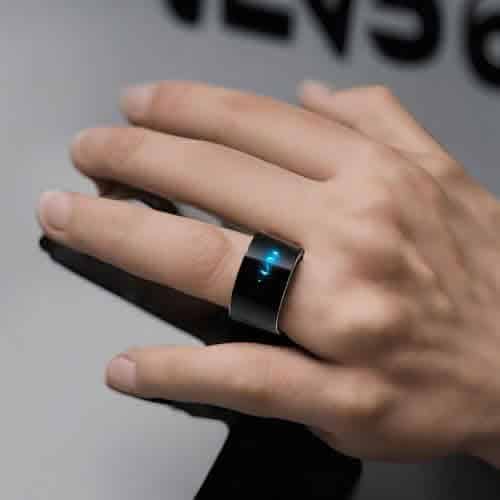
Switching from a clunky watch to a sleek ring was a total game-changer for my sleep hygiene. If you’re like I was—constantly tired and looking for a way to actually understand what’s happening after you close your eyes—this guide is for you. We’re going to break down the best rings for the job and, more importantly, how to use that data to actually feel human again.
Why Your Finger is Better Than Your Wrist (The Science Bit)
Before we get into the “best of” list, let’s talk about why we’re even wearing these things on our fingers. It’s not just about fashion. According to the Sleep Foundation, the finger is actually a prime spot for pulse oximetry and heart rate monitoring because the arteries are closer to the surface. Smart Rings for Sleep Tracking can tell you much more than a smartwatch.
In my experience, the accuracy difference is noticeable. When I wore a watch, it would often misinterpret my “quiet time” reading in bed as actual sleep. My smart ring? It knows I’m just scrolling through Reddit.
The sensors inside—specifically the PPG (Photoplethysmography) sensor—use light to track your blood volume. Combine that with an accelerometer (to track movement) and a thermistor (to track skin temperature), and you have a laboratory on your finger.
The Heavy Hitters: Which Ring Should You Actually Buy?
I’ve spent months swapping these rings out, testing them against each other and against how I actually feel in the morning. Here’s the breakdown of the top contenders of Smart Rings for Sleep Tracking currently on the market.
1. The Gold Standard: Oura Ring Gen3
If you’ve heard of smart rings, you’ve heard of Oura. I’ve worn the Gen3 for over a year now.
- The Experience: It’s incredibly polished. The app doesn’t just give you numbers; it gives you a “Readiness Score.” On days when my score is below 70, I know I need to take it easy.
- The Catch: There is a monthly subscription. If you hate recurring fees, this might annoy you, but the depth of the data is unparalleled.
2. The Contender: Ultrahuman Ring Air
This is probably the most comfortable ring I’ve tried. It’s incredibly light—hence the “Air” name.
- The Experience: What I love about Ultrahuman is the “Circadian Rhythm” tracking. It tells me exactly when I should be seeking sunlight and when I should start winding down. It feels more like a coach than just a tracker.
- Bonus: No subscription!
3. The New King: Samsung Galaxy Ring
If you’re an Android user, specifically Samsung, this is a no-brainer.
- The Experience: The integration with Samsung Health is seamless. It tracks “Sleep Snoring” (if you leave your phone on the nightstand) and gives you a “Vitality Score” that’s eerily accurate to how I feel after a rough night.
4. The Value Pick: RingConn Smart Ring
I was skeptical of RingConn at first, but it has become one of my favorites for pure data nerds.
- The Experience: It comes with a portable charging case (like AirPods), which is brilliant for travel. The sleep stage breakdown—Light, Deep, and REM—is very clearly visualized.
5. The Fitness Companion: Amazfit Helio Ring
Designed specifically for athletes, this one pairs beautifully with Amazfit’s watches.
- The Experience: It focuses heavily on “Mental and Physical Readiness.” After a long run, the Helio Ring tells me exactly how much “full rest” I need before my next session.
Decoding the Data: What Those Numbers Actually Mean
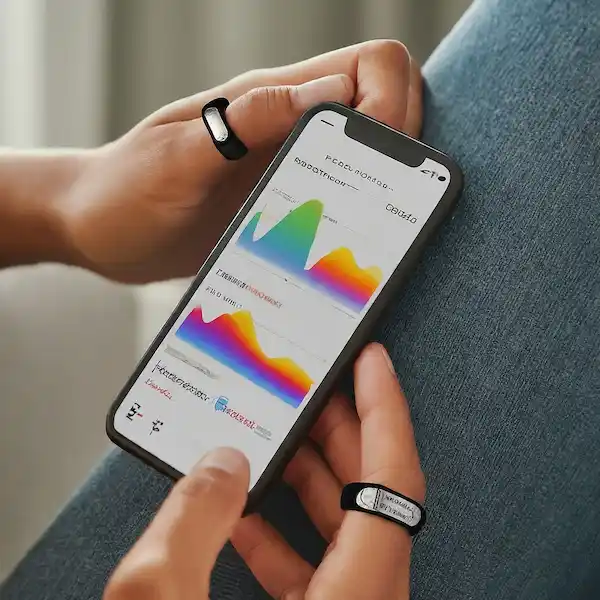
When you first open your app in the morning, you’re greeted with a wall of charts. It can be overwhelming. Here is what I’ve learned to focus on to actually improve my recovery.
Heart Rate Variability (HRV): The Secret Weapon
This is the single most important metric for me. The American Heart Association explains that HRV measures the variation in time between each heartbeat.
- My Discovery: I noticed that every time I had a glass of wine with dinner, my HRV plummeted that night. My body was working so hard to process the alcohol that it couldn’t recover. Seeing that number made me realize that “nightcaps” were actually ruining my rest.
Resting Heart Rate (RHR)
A lower RHR usually means you’re fit and well-rested. If I see my RHR is 5-10 beats higher than usual, I know I’m either getting sick or I’m severely overtrained. It’s my early warning system.
Skin Temperature
Your body temperature naturally drops as you prepare for sleep. Smart rings track the deviation from your baseline.
- Pro Tip: For women, this is an incredible tool for tracking menstrual cycles. For everyone else, it’s the best way to tell if you’re about to come down with a fever before you even feel the first sniffle.
How I Used My Ring to Hack My Recovery
It’s one thing to see the data; it’s another to act on it. Here is the routine I developed using my Smart Rings for Sleep Tracking insights:
- The 30-Minute Rule: I put my ring on at least 30 minutes before I intend to sleep. This helps the sensors calibrate to my “winding down” heart rate.
- The Temperature Adjustment: My ring showed me that I was getting too hot in the middle of the night, leading to “fragmented sleep.” I lowered my thermostat by two degrees and saw my “Deep Sleep” duration jump by 15 minutes.
- Caffeine Cut-off: By looking at my “Sleep Latency” (how long it takes to fall asleep), I realized my 3:00 PM espresso was keeping me awake until midnight. Now, I’m a “No Caffeine After Noon” person.
The Limitations (Let’s Be Real)
I love my Smart Rings for Sleep Tracking, but it’s not magic.
- Not a Doctor: As the NIH points out, these are wellness devices, not medical-grade PSG (polysomnography) tests. If you think you have sleep apnea, a ring can give you a hint, but you still need a doctor.
- Fit Matters: If the ring is too loose, the data is garbage. I always recommend getting the sizing kit first. Don’t guess your size!
Final Thoughts: Is It Worth It?
If you value your health and want a “low-friction” way to track it, yes. A Smart Rings for Sleep Tracking stays out of the way. It doesn’t beep at you or glow in the dark. It just sits there, quietly gathering the intel you need to make better choices.
Since I started using smart rings for sleep tracking, I’ve stopped guessing why I’m tired. I have the receipts. And that knowledge has allowed me to finally wake up feeling like I actually slept.
FAQ: Everything You’re Wondering
Q: Which finger should I wear it on for the best accuracy? Most manufacturers, including Oura and Samsung, recommend the index finger. I personally find the middle finger more comfortable, and the data remains very consistent. Avoid the pinky or thumb if you want the best sensor contact.
Q: Do I need to wear it all day? Technically, no, but I highly recommend it. To give you an accurate “Readiness” or “Recovery” score, the ring needs to know what you did during the day. If you ran a marathon but didn’t wear the ring, it will think you’re perfectly rested when you’re actually exhausted.
Q: Can it detect sleep apnea? It can track “Blood Oxygen Spills” (SpO2) and respiratory rate, which are indicators of sleep apnea. However, it cannot diagnose it. If you see frequent drops in oxygen on your charts, take that data to a sleep specialist.
Q: How often do I have to charge it? Most rings last between 4 and 7 days. I usually just pop mine on the charger while I’m taking a shower—that 15-minute daily boost keeps it topped off so it never dies on me.
Q: Is it waterproof? Most are rated for 50m to 100m (ATM5 or ATM10). I wear mine in the shower and the pool without any issues. Just be careful with hot tubs, as extreme heat can occasionally mess with the battery longevity over time.
Q: Does it track naps? Yes! Most modern rings (Oura, RingConn, Ultrahuman) detect naps automatically. It’s actually one of my favorite features—seeing how a 20-minute power nap bumps up my recovery score for the evening.
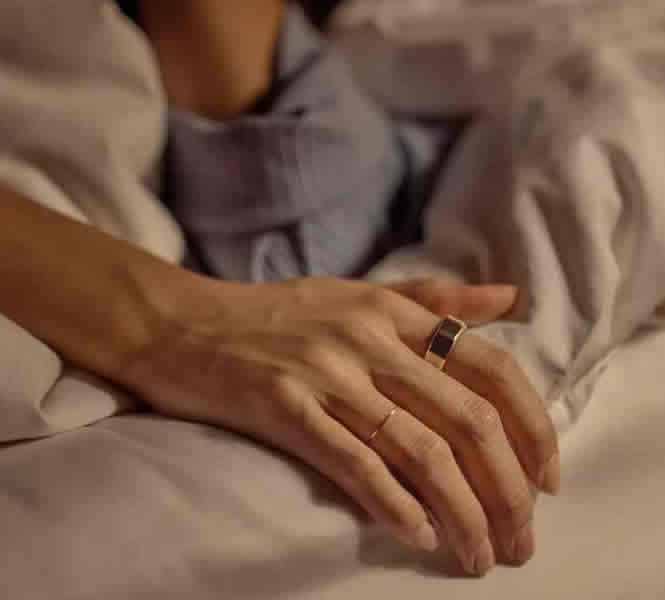
Q: Will it bother me while I sleep? Coming from a bulky smartwatch, the ring feels like nothing. If you choose the right size, you’ll forget it’s even there within two nights.
Disclaimer: I am a tech enthusiast sharing my personal experiences. Always consult with a medical professional for health-related concerns or before making significant changes to your lifestyle based on wearable data.
Additional helpful information:
- Smart rings are very good for monitoring your heart rate – Manage Your Health: Use A Smart Ring With Heart Rate Monitor
- Learn about how smart rings can monitor for sleep apnea – Smart Rings for Sleep Apnea & Respiratory Monitoring
- How can a smart ring improve your sleep? – How a Smart Ring Can Improve Your Sleep?
- Monitor your overall fitness with your smart ring – Smart Ring Fitness Tracker: The Essential Guide
- Shop and buy one of the best smart rings for sleep tracking – The Best Rings for Sleep Tracking
- The Best Smart Rings for 2026 – The 5 Best Smart Rings 2026