Why Your Smart Ring HRV Health Metrics Matter: A Guide to Data
Why Your Smart Ring HRV Health Metrics Matter: A Guide to Data Read Post »
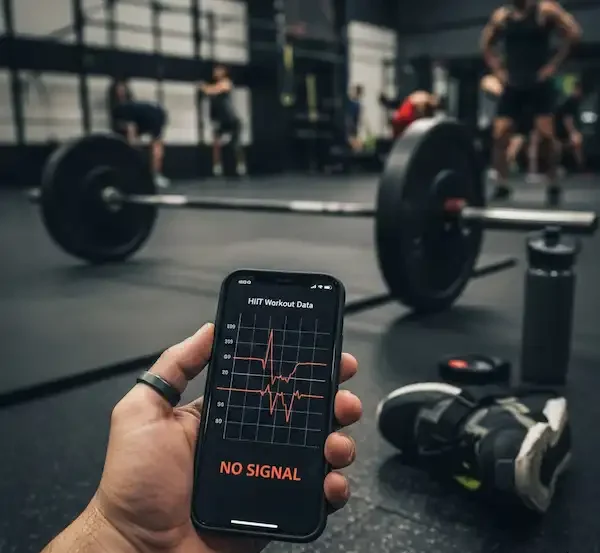
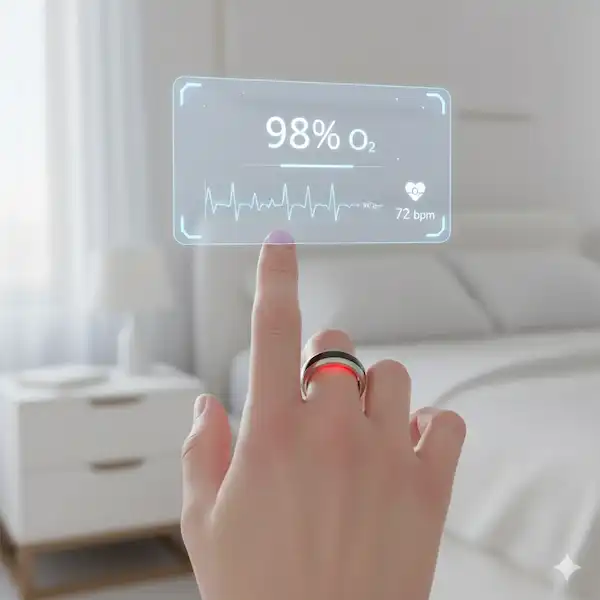
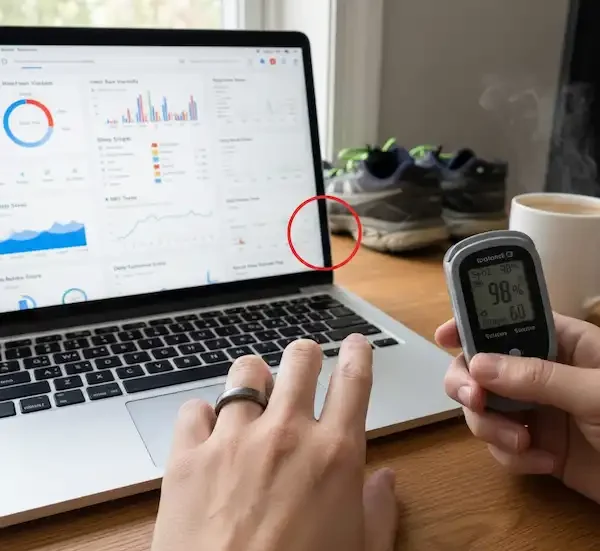
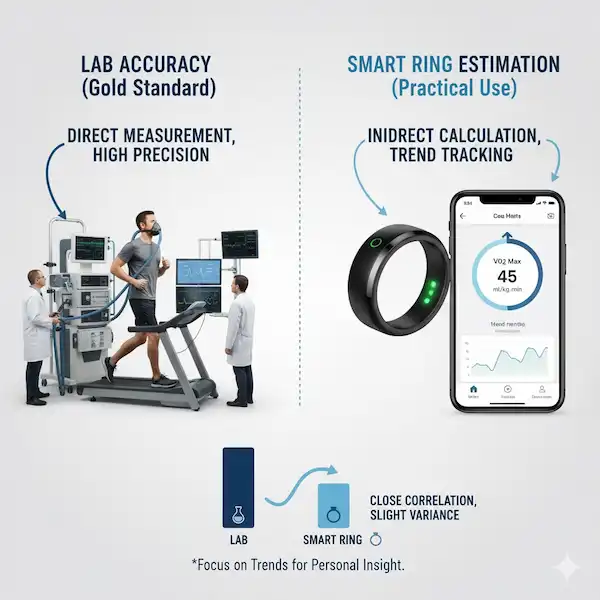
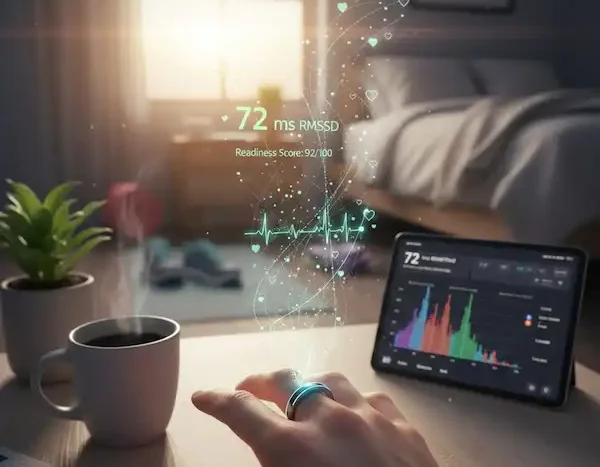
If you’re wearing a smart ring, you’re likely doing it because you want to know what’s happening inside your body. But let’s be honest: how much can a tiny sensor on your finger really tell you? This category is dedicated to the truth about smart ring accuracy. We dive into the science of PPG sensors (those little green and red lights) and explain how they measure things like Heart Rate Variability (HRV) and blood oxygen levels. We don’t just take the manufacturer’s word for it; we look at how these numbers stack up against chest straps and medical-grade equipment.
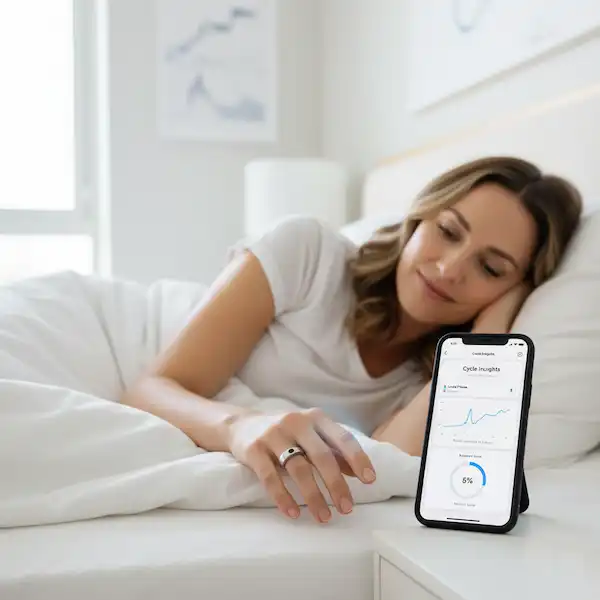
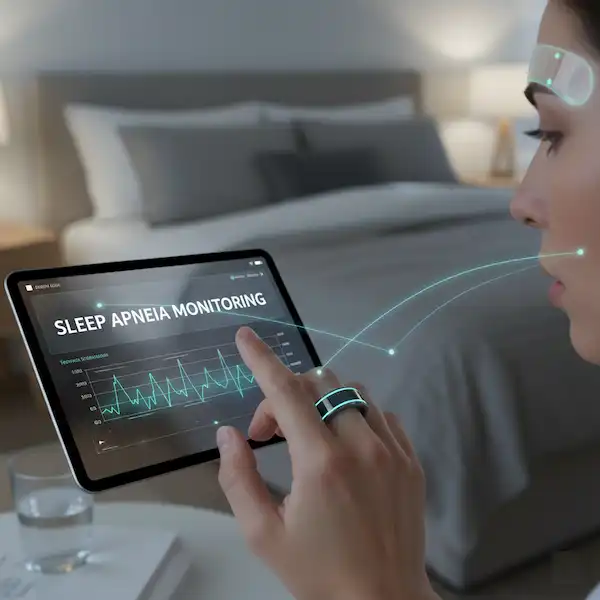
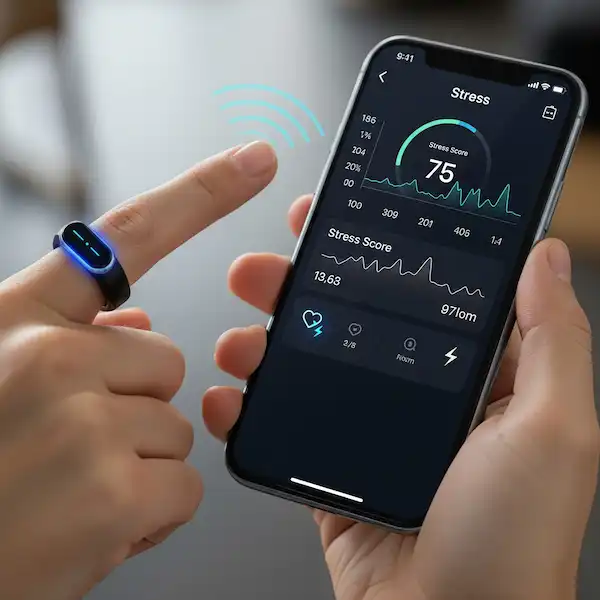
Understanding smart ring accuracy is crucial because it changes how you react to your data. If your “Readiness Score” is low, should you actually skip the gym? If your ring says you had four hours of REM sleep, is that realistic? We help you interpret these metrics so you don’t become “data-stressed.” We also explore the growing world of specialized tracking, like using temperature sensors for fertility window prediction or monitoring for signs of sleep apnea. It’s fascinating tech, but it has its limits, and we’re not afraid to point them out.
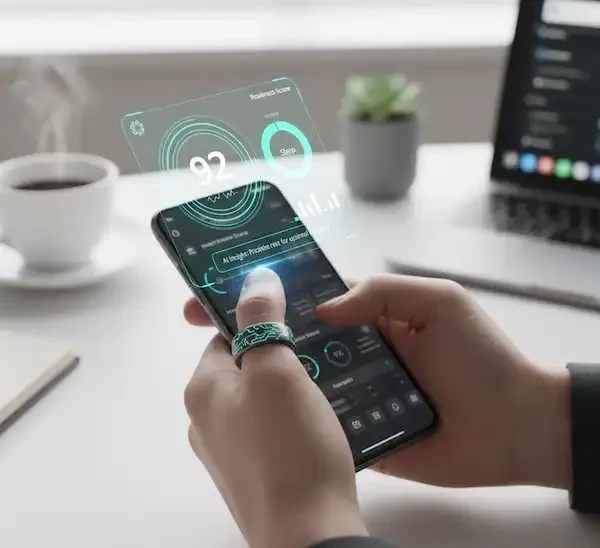
We also look at the future of health coaching. Many rings now use AI to tell you when to go to bed or when to push yourself. We analyze how these algorithms work and whether they are actually helping you get healthier or just stating the obvious. Whether you are a hardcore athlete trying to shave seconds off a marathon or someone just trying to manage their daily stress, our guides on smart ring accuracy and health science will help you turn raw numbers into a real plan for your well-being.