Manage Smart Ring Haptic Settings
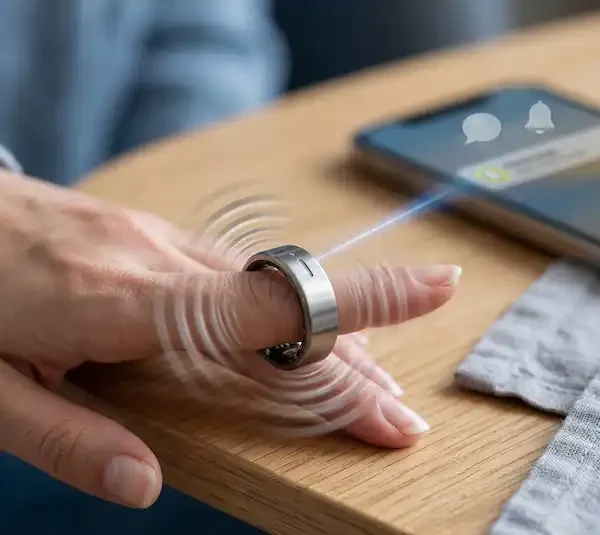
It’s 3:15 AM, and my index finger is throwing a tantrum. Specifically, it’s buzzing like a trapped bumblebee. If you bought a smart ring in the last few months, you know exactly what I’m talking about. The “Great Haptic Rollout of 2026” was supposed to be the death of the smartwatch screen—bringing us “discreet” notifications through our jewelry—but for many of us, it’s just turned our hands into vibrating pagers.
I’ve been testing wearables since the original Pebble watch, and I’ll be the first to admit: haptics on a finger feel weird. Unlike a watch that thumps your wrist, a ring vibrates directly against the bone. It’s intimate, efficient, and—if you don’t know how to tweak your smart ring haptic settings—incredibly annoying.
If you’re ready to stop the “finger buzzing” during your REM cycle, here is the insider’s guide to taking back control of your hands.
The 2026 Haptic Reality: Why Your Finger is Buzzing
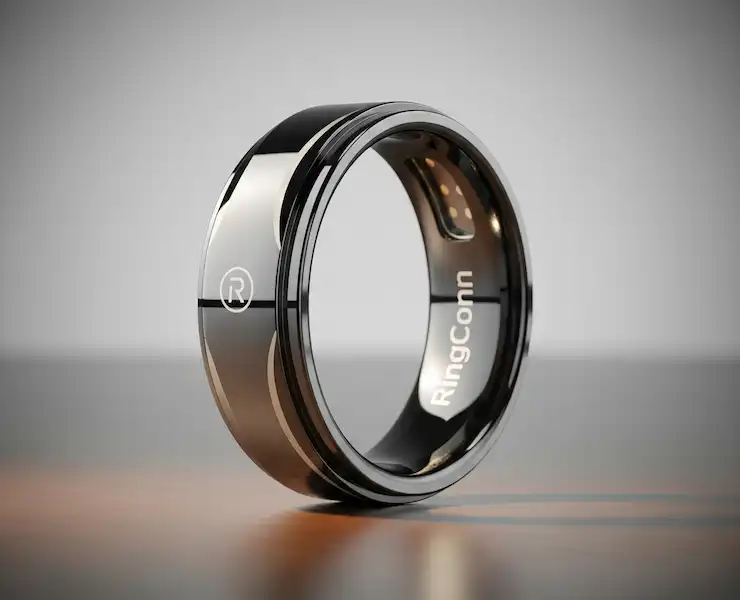
For years, smart rings were passive. They sat there, gathered data, and stayed quiet. But as we’ve seen with the launch of the RingConn Gen 3 and the latest firmware updates for the Samsung Galaxy Ring, haptics are the new standard.
The industry call it “Tactile Feedback Mapping.” The idea is that you can “feel” a text message versus a heart rate alert. In practice, most users find that out-of-the-box settings are way too aggressive. I recently spoke with a lead developer at a major wearable firm who told me that “default intensity is usually set at 70% to ensure users actually feel it, but for sleep, anything over 10% is disruptive.”
How to Customize Haptic Alerts on iPhone
If you’re using an iPhone (likely paired with an Oura Ring 4 or the rumored Apple Ring prototype), your haptic controls are split between the ring’s proprietary app and iOS system settings.
1. The “Sleep Focus” Fix
The most common complaint is getting a “Move!” or “Goal Reached” vibration at 2 AM. To fix this, you don’t actually need to dive into the ring app.
- Go to Settings > Focus > Sleep.
- Ensure that your smart ring app is not on the “Allowed Apps” list.
- By default, iOS 19/20 handles “System Haptics” through the Sounds & Haptics menu, but individual Bluetooth accessories often require a manual toggle within their own “Device Settings” tab.
2. Custom Vibration Patterns
Insider tip: You can actually create “Silent” haptics. In the Sounds & Haptics menu, you can select “None” for certain notification types. If your ring app allows “System Mirroring,” your ring will follow these rules. This is a lifesaver for those of us who want a vibration for a phone call but nothing for an Instagram DM.
How to Customize Haptic Alerts on Android
Android users (shoutout to the Galaxy Ring and Ultrahuman crowd) have a bit more granular control, especially with the “Adaptive Alert” features found in Android 16 and later.
1. Use the “Bedtime Mode” API
Most modern smart rings in 2026 are built to recognize Android’s Digital Wellbeing settings.
- Open Settings > Digital Wellbeing > Bedtime Mode.
- Toggle on “Keep it Quiet.” * This should globally mute the haptic motor in your ring. If it doesn’t, your ring manufacturer might be “ignoring” the system flag to prioritize its own health alerts (like apnea pings).
2. Notification Channels
Android allows you to go into Settings > Apps > [Your Ring App] > Notifications. Here, you can see specific “Channels.” You can leave “Emergency Health Alerts” on (Vibrate) while turning “Daily Progress” to “Silent/No Vibration.” This is the best way to keep the smart ring haptic settings useful without being overbearing.
Different Use Cases: When to Buzz and When to Hush
As a long-time wearer, I’ve found that a “one size fits all” approach to vibrations doesn’t work. Your smart ring haptic settings should change based on what you’re doing.
The “Silent Alarm” (The Best Use Case)
This is the one feature I can’t live without. Setting a vibration alarm on your ring is much more pleasant than a blaring phone. It wakes you up without waking your partner.
- Pro Tip: Set the intensity to “Low/Pulse.” A steady buzz can be startling, but a slow pulse feels like a gentle tap on the finger.
The “Anxiety Ping” (The Worst Use Case)
Many rings now offer “Stress Alerts.” When your HRV (Heart Rate Variability) drops, the ring buzzes to tell you to breathe. Personally? This just makes me more stressed. I recommend disabling haptics for “Stress” or “Readiness” scores. You can check those in the app; you don’t need your finger to tell you you’re having a bad day.
The “Navigation Tap”
If you’re walking in a city, some rings (like the Dreame Smart Ring) can pulse when you need to turn left or right. This is actually brilliant. It allows you to keep your phone in your pocket and your eyes on the street. In this case, I turn the smart ring haptic settings to “High” so I don’t miss a turn over the vibration of city traffic.
Industry Secrets: Why Your Ring Vibrates When It Shouldn’t
I’ve spent enough time around hardware engineers to know that “Phantom Buzzing” is a real thing. Sometimes, it’s not a notification at all.
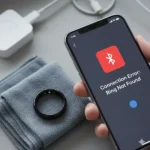
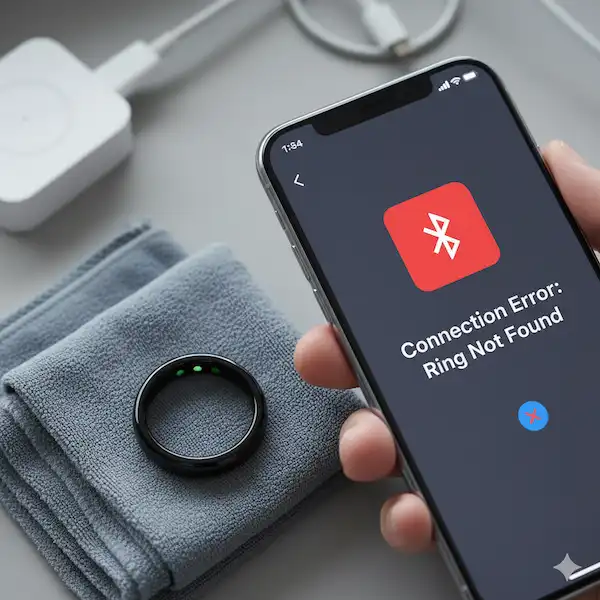
- Connection Retries: If your ring loses Bluetooth connection to your phone, it might give a short “pip” vibration. This is a diagnostic tool, not a notification. Look for “Connection Alerts” in your smart ring haptic settings and kill them.
- Battery Low Warnings: Most rings are hard-coded to vibrate when they hit 10%. You often can’t turn this off, but you can change the “Do Not Disturb” hours so it doesn’t happen at night.
- The “Double Pinch” Ghost: If you have a Samsung or a ring with gesture controls, sometimes a heavy grip (like holding a steering wheel or a gym bar) can trigger a “gesture.” This might cause a haptic confirmation. If you’re a lifter, I highly recommend disabling gesture haptics during your workout.
Comparison: Haptic Control by Brand (2026 Models)
| Brand | Haptic Customization | Sleep Mode Support | Verdict |
| Oura Ring 4 | App-based toggle | Excellent (via iOS Focus) | Most “polite” vibrations. |
| Samsung Galaxy Ring | System-level (Android) | Good | Great for Samsung users, buggy for others. |
| Ultrahuman Ring Air | “PowerPlug” Add-ons | Manual toggle | Most customizable but takes work. |
| RingConn Gen 3 | App-based | Automatic detection | Strongest vibration motor (can be loud). |
Managing the “Finger Buzzing” Fatigue
If you’ve tried all the smart ring haptic settings and you’re still feeling that annoying tickle, it might be time for a “Haptic Detox.” I tell people to turn off all vibrations for 48 hours. See if you actually miss them. Usually, you’ll realize that 90% of the pings were just noise.
The goal of a smart ring is to be a “discreet fitness tracker,” as noted by recent market insights. If it’s shouting at you through your finger, it’s no longer discreet—it’s just a tiny, circular nuisance.
Frequently Asked Questions
Can I turn off vibrations for just one app?
Yes. On both iPhone and Android, you can go to the specific notification settings for an app (like WhatsApp) and turn off “Vibration” while keeping “Banners” on. If your ring is set to “Mirror Phone,” the ring will stop buzzing for that app.
Why does my ring vibrate when I’m not getting a call?
This is usually a “System Alert.” It could be a low battery, a firmware update ready to install, or a “Move Alert” reminding you to stand up. Check the “Device” or “Hardware” tab in your ring app to find these specific smart ring haptic settings.
Does using haptics drain the battery faster?
Absolutely. The haptic motor is one of the most power-hungry components in a smart ring. If you turn off non-essential vibrations, you can easily extend your battery life by 12–24 hours. TechRadar’s 2026 testing shows that “heavy haptic use” is the #1 reason users don’t hit the advertised 7-day battery life.
Is the vibration safe for my finger bone?
Yes, it’s safe. The “buzzing” is a high-frequency vibration that doesn’t have enough force to cause structural damage. However, if you have nerve sensitivity (like Carpal Tunnel), you might find the sensation uncomfortable. In that case, keep your smart ring haptic settings at the lowest possible intensity.
How do I stop my ring from buzzing during sleep?
The most reliable way is to enable “Do Not Disturb” or “Sleep Mode” on your phone and ensure your ring app is set to respect these modes. Some rings also have a “Flight Mode” or “Offline Mode” you can toggle before bed, though this will stop data syncing until you turn it back on.
Wrapping Up
The haptic revolution in smart rings is still finding its footing. We’ve moved from “silent trackers” to “chatty jewelry,” and the transition hasn’t been perfect. By taking ten minutes to dive into your smart ring haptic settings, you can turn a buzzing annoyance back into a helpful health companion.
Don’t let your ring dictate your sleep schedule. You bought the technology to serve you, not to act as a midnight alarm clock for your index finger.
Additional Helpful Information
- More information about smart ring notifications – How to Get Smart Ring Notifications on Android and iPhone