Smart Rings for Sleep Apnea and Respiratory Monitoring
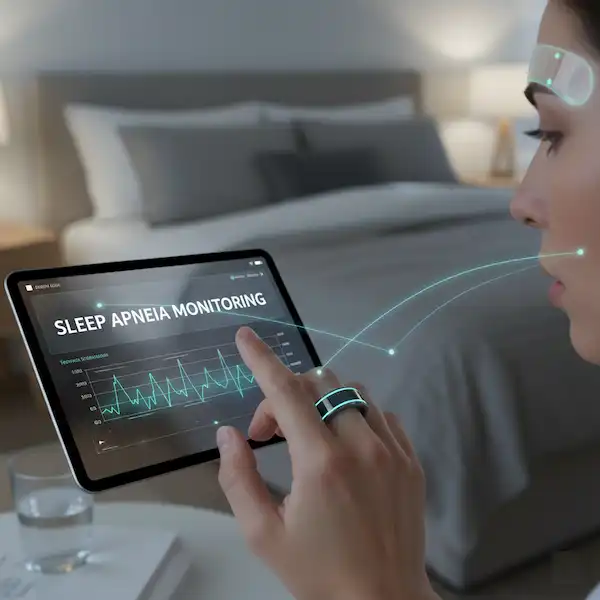
Sleep is not merely a period of rest; it’s a vital physiological process critical for our physical and mental well-being. Disturbances in sleep, particularly those related to breathing, can have profound long-term health consequences. Among these, Sleep Apnea stands out as a prevalent and often undiagnosed condition. But what if a discreet, stylish piece of technology on your finger could provide crucial insights into your nocturnal breathing patterns? Welcome to the world of smart rings and their burgeoning role in sleep apnea and respiratory monitoring.
What is Sleep Apnea? Understanding the Silent Threat
Sleep apnea is a serious sleep disorder where a person repeatedly stops and starts breathing during sleep. These pauses can last from a few seconds to minutes and can occur 5 to 30 times or more an hour. The most common type is Obstructive Sleep Apnea (OSA), caused by a blockage of the airway, usually when the soft tissue in the back of the throat collapses during sleep. Smart rings for sleep apnea can help monitor this.
Common Symptoms of Sleep Apnea:
- Loud snoring
- Daytime sleepiness or fatigue
- Observed episodes of stopped breathing during sleep
- Abrupt awakenings accompanied by gasping or choking
- Morning headache
- Difficulty concentrating
- Irritability
Untreated sleep apnea can lead to a host of health problems, including high blood pressure, heart attack, stroke, diabetes, and depression. Early detection and consistent monitoring are therefore paramount.
The Rise of Smart Rings for Sleep Apnea and Health Monitoring
For years, wearables like smartwatches and fitness trackers have offered insights into our activity levels, heart rate, and even basic sleep patterns. However, smart rings are emerging as a compelling alternative, offering a more comfortable, less intrusive, and often more accurate way to gather physiological data, particularly during sleep. Their discreet design means they are less likely to be removed during the night, leading to more consistent data collection.
The Science Behind the Ring: How Smart Rings Measure Respiratory Health
Advanced smart rings leverage sophisticated sensors to gather a wealth of health data. For sleep apnea and respiratory monitoring, two key metrics are crucial:
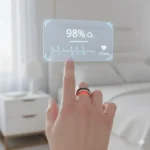
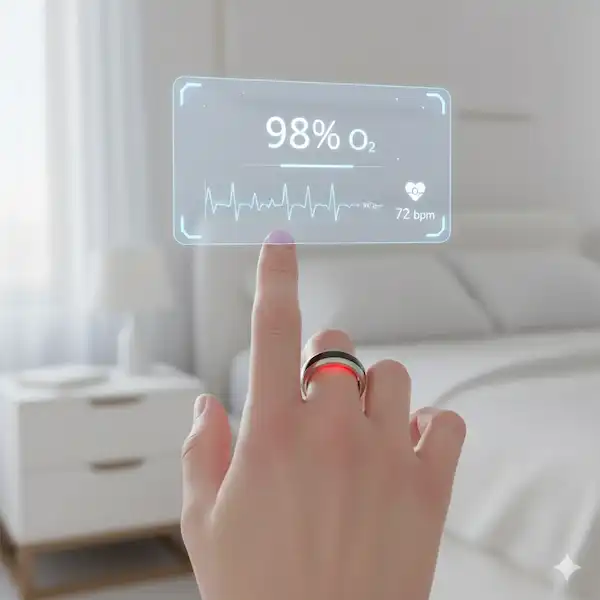
- Blood Oxygen Saturation (SpO2): This measures the percentage of oxygen-carrying hemoglobin in your blood. A healthy SpO2 level typically ranges from 95% to 100%. During sleep apnea events, breathing pauses can lead to a drop in blood oxygen levels, a phenomenon known as desaturation. Smart rings measure SpO2 using photoplethysmography (PPG) sensors. These sensors emit light (usually red and infrared) into the skin and detect the amount of light reflected back. Oxygenated and deoxygenated blood absorb light differently, allowing the ring to calculate SpO2 levels.
- Example: A sudden drop from 97% to 88% SpO2 for several minutes during sleep, followed by a rapid increase, could indicate a breathing obstruction.
- Respiratory Rate (RR): This is the number of breaths you take per minute. Changes in respiratory rate can be an indicator of various health conditions, including respiratory distress or sleep disturbances. While some rings directly measure subtle chest movements or use acoustic sensors, many infer respiratory rate from Heart Rate Variability (HRV) data. Breathing influences heart rate variability, and sophisticated algorithms can extract respiratory rate information from this variability.
- Example: An abnormally low respiratory rate during certain sleep stages, or significant fluctuations throughout the night, could be a red flag.
In-Depth Look: How Advanced Models Like RingConn Differentiate Themselves
While many smart rings track basic sleep, newer models like the RingConn Smart Ring are specifically highlighting their capabilities in sleep apnea and respiratory monitoring. These rings go beyond simply recording data; they interpret it to provide actionable insights.
The RingConn, for instance, emphasizes its continuous SpO2 monitoring during sleep. This isn’t just a snapshot; it’s a detailed graph showing fluctuations throughout the night. It correlates these SpO2 drops with other sleep parameters, such as sleep stages and heart rate, to paint a more complete picture.
Key Differentiators for Advanced Smart Rings:
- Continuous SpO2 Tracking: Not just spot checks, but minute-by-minute or even second-by-second data.
- Respiratory Rate Integration: Combining SpO2 with respiratory rate for a more holistic view of breathing patterns.
- Algorithmic Analysis: Sophisticated algorithms that can identify patterns indicative of sleep apnea events (e.g., repeated oxygen desaturations associated with awakenings).
- User-Friendly Data Presentation: Clear graphs and summaries that make complex data understandable to the average user.
- Trends and Baselines: Ability to track data over days, weeks, and months to identify trends and deviations from personal baselines.
Example Scenario: A Night’s Data from a Smart Ring
Imagine reviewing your smart ring’s app after a night’s sleep. You might see a chart like this:
| Time Slot (2-Hour Intervals) | Average Heart Rate (BPM) | Average SpO2 (%) | Lowest SpO2 Drop (%) | Respiratory Rate (Breaths/min) | Noteworthy Events |
| 10 PM – 12 AM (Falling Asleep) | 65 | 98 | 95 | 14 | Initial low SpO2 (95%) on settling. |
| 12 AM – 2 AM (Deep Sleep) | 52 | 96 | 88 ↓ | 12 | Multiple significant SpO2 drops below 90%. |
| 2 AM – 4 AM (REM/Light Sleep) | 60 | 97 | 91 | 16 | Elevated HR; fewer, shallower SpO2 drops. |
| 4 AM – 6 AM (Light Sleep/Awakening) | 68 | 98 | 94 | 18 | HR increase before wake-up; stable SpO2. |
This hypothetical chart clearly shows periods where SpO2 levels dipped significantly, potentially correlating with breathing disturbances. The integrated sleep stage data could further reveal if these dips occurred during REM sleep or deep sleep, providing additional context.
Practical Applications and Benefits
Smart rings for sleep apnea are not designed to replace a medical diagnosis of sleep apnea, which typically requires an overnight sleep study (polysomnography) conducted in a lab or at home. However, they serve several crucial functions:
- Early Detection: For individuals experiencing symptoms like snoring or daytime fatigue, a smart ring can provide objective data on SpO2 drops and respiratory irregularities that can prompt them to seek medical advice. This can significantly reduce the time to diagnosis.
- Monitoring Treatment Effectiveness: For those diagnosed with sleep apnea and undergoing treatment (e.g., CPAP therapy), a smart ring can help monitor the effectiveness of their treatment by tracking improvements in SpO2 levels and respiratory patterns.
- Long-Term Trend Analysis: Unlike a single sleep study, smart rings provide continuous, long-term data, allowing users and their healthcare providers to observe trends and identify potential issues that might otherwise go unnoticed.
- Convenience and Comfort: Their non-intrusive design makes them ideal for nightly wear, providing consistent data without disrupting sleep.
Limitations and What to Remember about Smart Rings
While incredibly promising, it’s essential to understand the limitations:
- Not a Diagnostic Tool: Smart rings are screening and monitoring tools, not diagnostic devices. Always consult a healthcare professional for a definitive diagnosis of sleep apnea.
- Accuracy Varies: The accuracy of SpO2 and respiratory rate measurements can vary between different smart ring models. Always research reviews and validation studies if available.
- Environmental Factors: Factors like ring fit, skin tone, and movement can affect sensor accuracy.
- Interpreting Data: While apps provide summaries, understanding the nuances of the data often requires medical expertise.
The Future of Respiratory Monitoring with Smart Rings
The technology in smart rings is rapidly advancing. We can expect future iterations to offer:
- Even Greater Accuracy: Improved sensor technology and algorithms.
- More Sophisticated Algorithms: Better differentiation between types of breathing disturbances.
- Integration with Telehealth: Seamless data sharing with healthcare providers.
- Additional Biometrics: Monitoring of other indicators relevant to respiratory health.
Conclusion: Empowering Individuals with Data
Smart rings represent a significant leap forward in personal health monitoring, particularly for conditions like sleep apnea. By providing continuous, discreet, and insightful data on blood oxygen and respiratory rate, they empower individuals to take a more proactive role in understanding and managing their sleep health. While they are a supplementary tool to professional medical care, their potential for early detection and ongoing monitoring is undeniable, ushering in a new era of accessible and personalized respiratory health insights.
Frequently Asked Questions (FAQ)
Here is an FAQ designed to address common questions regarding the use of smart rings for monitoring sleep apnea and respiratory health.
1. What is the main function of a smart ring in relation to Sleep Apnea?
A smart ring’s primary function in relation to sleep apnea is monitoring and screening. It collects continuous physiological data—primarily Blood Oxygen Saturation (SpO2) and Respiratory Rate (RR)—while you sleep. Significant drops in SpO2, known as desaturations, are key indicators of potential breathing disturbances characteristic of Obstructive Sleep Apnea (OSA). The ring helps identify patterns that warrant further medical investigation.
2. Can a smart ring diagnose Sleep Apnea?
No, a smart ring cannot provide a medical diagnosis of Sleep Apnea. Smart rings are classified as consumer wellness and monitoring devices. A definitive diagnosis requires a medical assessment and typically an overnight Polysomnography (Sleep Study) conducted in a lab or a validated home sleep apnea test (HSAT), prescribed by a physician. The data from a smart ring should be used as a screening tool to encourage you to seek professional medical advice.
3. Which specific metrics do smart rings use to screen for breathing issues?
The two most important metrics used are:
- Blood Oxygen Saturation (SpO2): Measured using Photoplethysmography (PPG) sensors, this metric tracks the percentage of oxygen in your blood. Repeated, sudden drops below 90% are strong indicators of potential sleep apnea events.
- Respiratory Rate (RR): This measures your breaths per minute. While some advanced rings attempt to measure this directly, many infer it using sophisticated algorithms applied to Heart Rate Variability (HRV) data, as your breathing rhythm directly affects your heart rate.
4. How accurate are smart rings compared to professional medical devices?
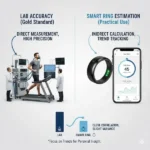
The accuracy of smart rings for sleep apnea is generally considered good for trending and long-term monitoring, but it can vary between brands and models. Clinical-grade SpO2 monitors used in hospitals are highly regulated and often placed on the earlobe or forehead for maximal accuracy. Smart rings, worn on the finger, can be affected by factors like fit, movement, and skin tone. Always look for brands that have published validation studies comparing their device’s measurements to FDA-cleared reference devices, if available.
5. If my smart ring shows frequent SpO2 drops, what should I do next?
If your smart ring data consistently shows low SpO2 levels or frequent, significant drops during sleep, you should schedule an appointment with your primary care physician or a Sleep Specialist. Bring the data summaries and charts from your smart ring application with you. This data can serve as objective evidence to support the need for a professional diagnostic sleep study.
6. Can a smart ring help me monitor my CPAP treatment?
Yes, a smart ring can be a helpful complimentary tool for monitoring CPAP (Continuous Positive Airway Pressure) effectiveness. After being diagnosed and starting CPAP therapy, you can use the ring to track improvements in your sleep health, such as:
- Increased average SpO2 levels.
- Fewer SpO2 desaturation events.
- Lower average resting heart rate and higher HRV.
- Better-quality sleep (more time in Deep and REM stages).
7. Do all smart rings offer SpO2 and respiratory rate tracking?
No, not all smart rings offer continuous SpO2 and respiratory rate tracking. These features often require more sophisticated hardware (PPG sensors capable of red and infrared light) and advanced algorithms. When purchasing a ring specifically for respiratory monitoring, you must verify the technical specifications and look for marketing that highlights “Sleep Apnea Monitoring,” “Continuous SpO2,” or “Blood Oxygen Tracking,” with examples like the RingConn model.
Additional Helpful Links
- More information about smart rings that monitor sleep – Best Smart Rings for Sleep Tracking
Authoritative External Links:
- National Heart, Lung, and Blood Institute (NHLBI) – Sleep Apnea: https://www.nhlbi.nih.gov/health/sleep-apnea
- Mayo Clinic – Sleep Apnea: https://www.mayoclinic.org/diseases-conditions/sleep-apnea/symptoms-causes/syc-20377631
- American Academy of Sleep Medicine (AASM): https://aasm.org/