What to Do About Your Smart Ring Patent Ban?
What to Do About Your Smart Ring Patent Ban? Read Post »
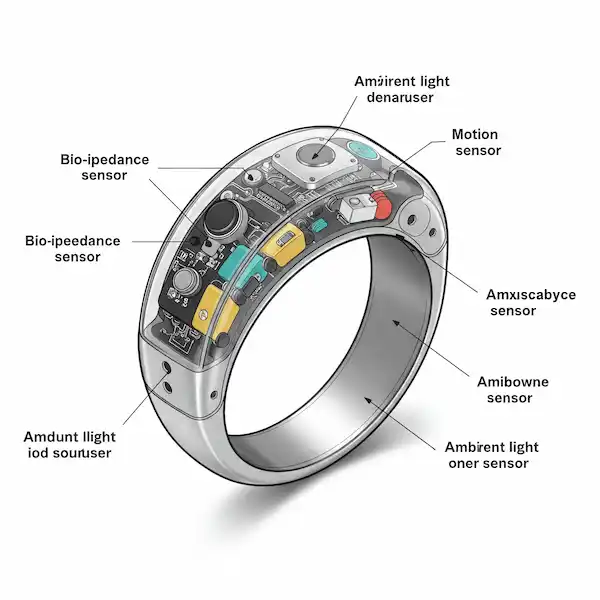
If you’ve ever looked at your ring and wondered, “How did they fit a battery, a Bluetooth antenna, and three sensors into this?”—this is the place for you. Smart ring technology is a marvel of miniaturization. In this category, we go under the hood to look at the engineering that makes these wearables possible. We talk about materials—the pros and cons of Grade 5 Titanium versus scratch-resistant Ceramic. If you’re worried about your ring looking beat-up after a month of lifting weights, we have the durability tests to show you which materials hold up best.
The core of smart ring technology is power management. Because the batteries in these rings are about the size of a grain of rice, the software has to be incredibly efficient. We explain how “low-energy” Bluetooth works and how rings decide when to take a heart rate reading to save power. We also look at the different types of chargers—from elegant charging cases that look like jewelry boxes to simple USB docks—and why some rings charge in 20 minutes while others take two hours.
Finally, we look at the future of the industry. We track new patents and emerging smart ring technology, like non-invasive glucose monitoring or haptic feedback (vibrating rings). We also discuss the security of your data. Since these rings are constantly recording your vitals, where does that data go? How is it encrypted? If you’re a “tech nerd” who loves knowing the “why” and “how” behind your gadgets, this section will give you a deep appreciation for the tiny computer sitting on your finger.